|
Getting your Trinity Audio player ready...
|
Michael Molina was perfectly happy in his previous role, but the recently retired Southern Methodist University (SMU) President Dr. R. Gerald Turner had reached out personally, asking if Molina might be the change agent SMU needed to evolve the university’s organizational structure. In Molina’s words, it wasn’t about projects, it was about the entire way the university approached its facilities planning and management department.
“It all really started with cultural shift and cultural realignment,” Molina remembers of the role he took on in 2018. The VP of facilities planning and management focused on people, process, and performance as the three pillars that would support SMU’s stability and growth. His mandate was clear: rebuild the organization, modernize its structure, and set a new standard for operational excellence.
And that is exactly what Molina has accomplished.
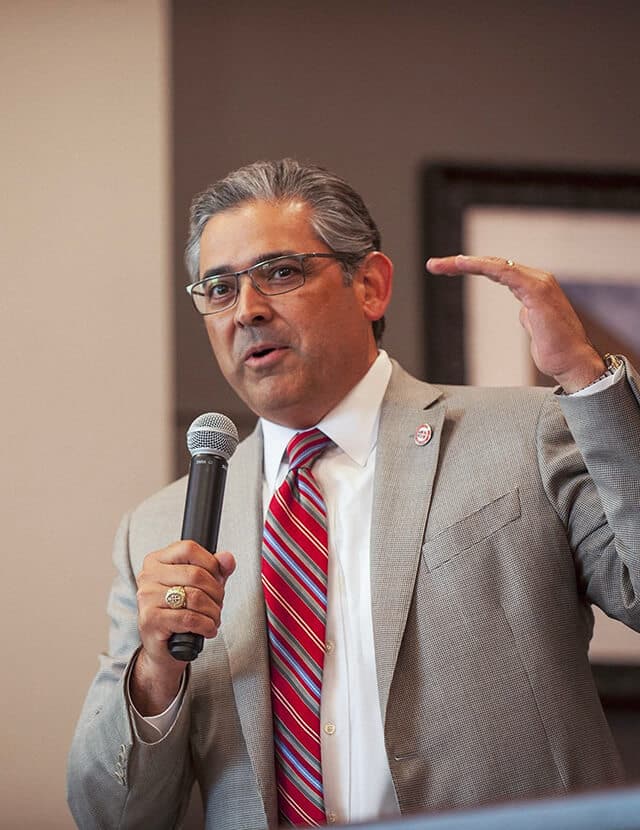
Under the VP’s leadership, SMU has experienced its largest period of capital project completion in university history, some $700 million of work wrapping up within 30 days of each other. This burst of activity is only part of a broader trend. Over Molina’s seven-and-a-half years at the university, the total portfolio of expenditures including infrastructure, real estate, space management, and maintenance, has surpassed $1.8 billion.
SMU has expanded its footprint by more than 665,000 square feet in that time, including significant projects such as the Frances Anne Moody Hall Graduate School and master planning for three additional buildings on newly developed land.
One of Molina’s proudest achievements is the university’s exemplary efficiency, particularly in energy management. Despite significant growth, SMU has reduced its baseline energy consumption of water, gas, and electricity by 15.2 percent since 2017. This reduction represents a cost avoidance of nearly $2.5 million per year.
That effort is best illustrated by SMU’s Dallas Hall, the first LEED-certified building in the country for an existing historical facility. The Gold LEED certification for the 67,732 square-foot facility is a landmark distinction for the building that’s used for both academic and office space. The building will celebrate its 110th anniversary in 2025, and its internal upgrades will make it a sustainable fixture of the campus for decades to come.
There’s another building on campus that’s undergone a much more obvious facelift: the Hughes-Trigg Student Center. The comprehensive multi-year renovation kicked off in 2019 and was completed in 2021. The $30 million project encompassed safety and accessibility upgrades and extensive interior renovations.
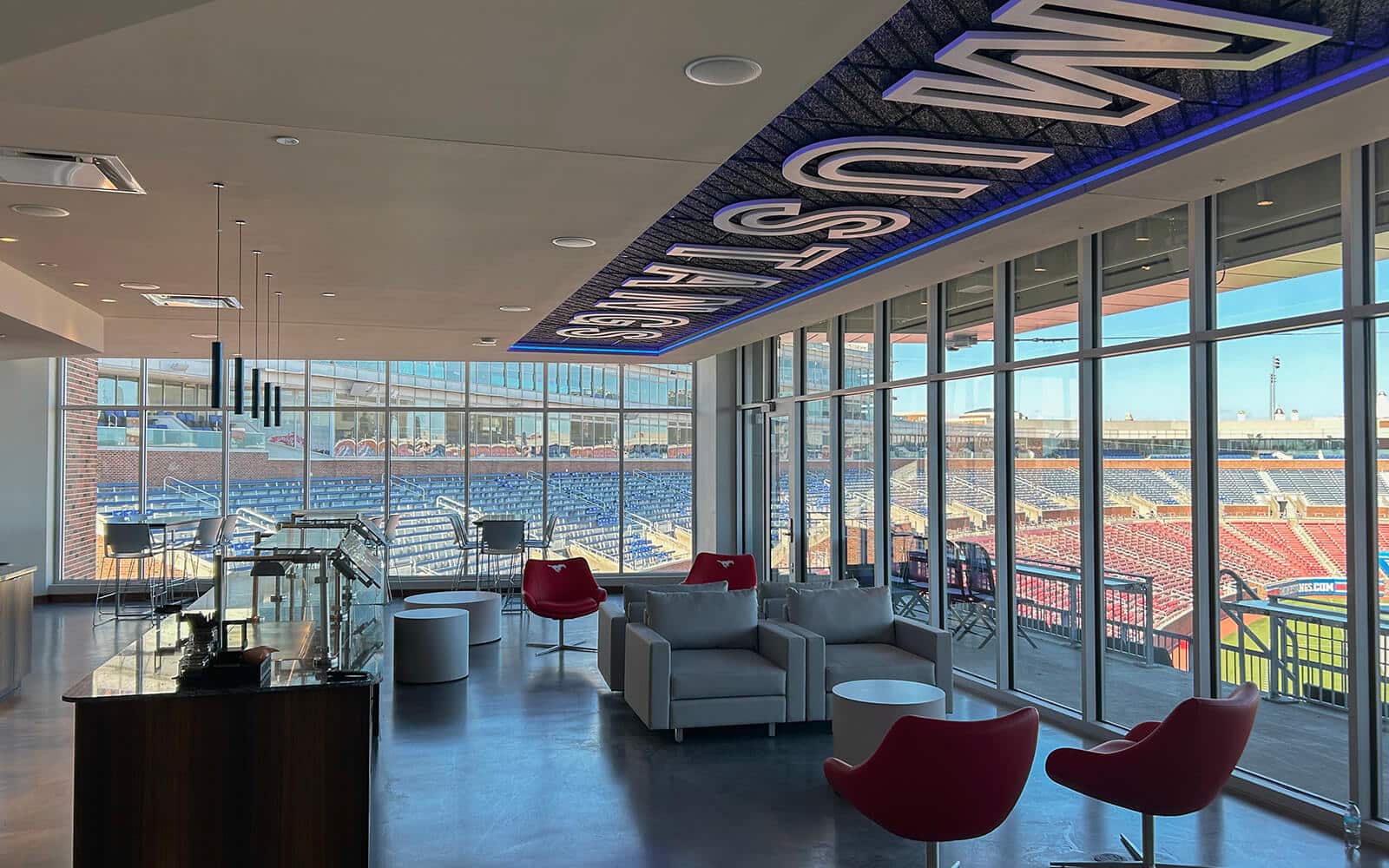
But more than that, the building has undergone a usage transformation.
Molina says the 1980s-era design no longer fully supported the needs and energies of a modern campus community. For all intents and purposes, Molina says the student center was underutilized. Today, he calls it the “coolest interior activated space on campus,” bustling with students and faculty alike. The transformation was so startling that the student center had to expand its hours of operation. The student center is now the rightful central hub for meetings, collaborative academic work, and student life.
Advertisement
On the operational front, Molina’s “right partner, right project” ethos has expanded the university’s pool of contractors from a half dozen to around thirty, instituting rigorous post-completion rankings to ensure continuous improvement. This improvement goes both ways, as Molina pushed his team to improve the turnaround time for paying their partners. The average turnaround time for contractor payments has dropped from 92 days to just 17.3 under Molina’s leadership.
“I’ve owned a couple of businesses in my day,” Molina explains. “Waiting 92 days if you’re a small contractor, well, that’s a lot to float. And I think that makes a difference in the companies considering working for us. They know we’re going to compensate timely.”
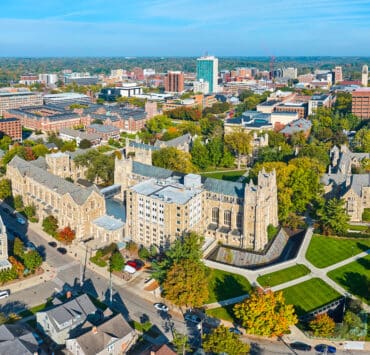
Molina and his team have managed massive transformation across the campus while still staying true to the hallmark of SMU design, Georgian Neoclassical Collegiate design.
“This university has always been known for the beauty of its campus,” Molina explains. “Over the last 115 years, we’ve adhered to those building and design guidelines. When you walk across campus, you experience SMU’s architectural design fabric. We cherish our history and legacy, so when we start dreaming about a new project, we keep that at the forefront of our planning.”
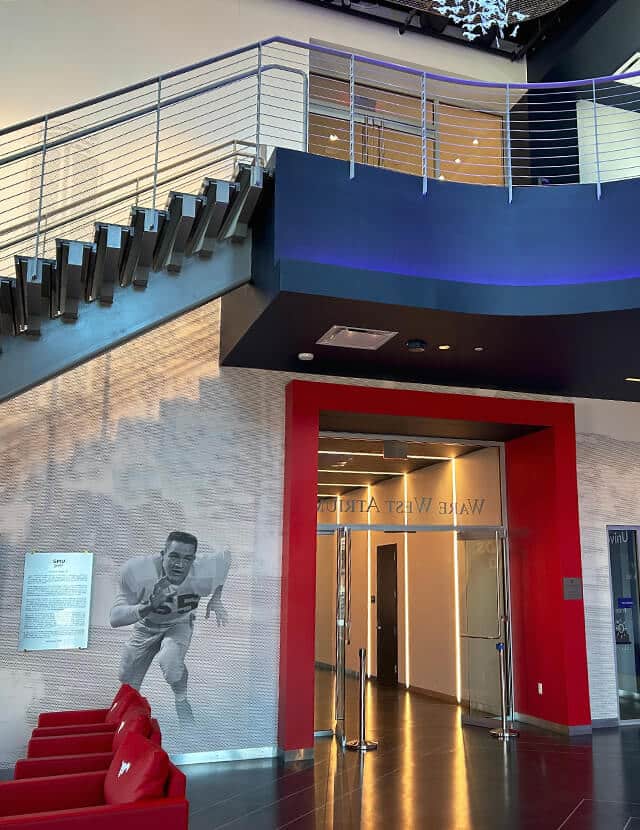
As the university architect on staff at SMU, maintaining design integrity and aesthetic principles in new projects is a part of Molina’s profession that he loves. SMU is in a key leadership transition and continued growth to the campus is paramount.
For Molina, leadership is derived from something deeply personal: his upbringing in a very large, close-knit family. Those early interactions—with teamwork, shared responsibility, and looking out for one another—not only shaped the person he is today but became the foundation of his leadership style. As he reflects on how his family values continue to influence his professional life, Molina explains simply, “It’s the way I grew up.”
“You link arms, and you do everything as a team,” he continues. “It can’t just be about you. That’s how I try and lead my people at work. I feel a great responsibility to make sure people want to come and be part of this group. Life is good here, and we win as a team.”
EwingCole, a nationally recognized, fully integrated architecture, engineering, interior design, and planning firm founded over 60 years ago, employs 470+ professionals dedicated to excellence, design quality, and collaboration. Our multidisciplinary team delivers total solutions for clients, communities, and the environment. In 2019, after two decades of partnership, ECBuild’s founding members joined forces with EwingCole to launch a construction management firm tailored to meet the needs of clients across a variety of commercial industries. ECBuild offers preconstruction, procurement, and construction services through a seamless, internal, and collaborative approach—embodied in our motto: One Team, One Goal!